
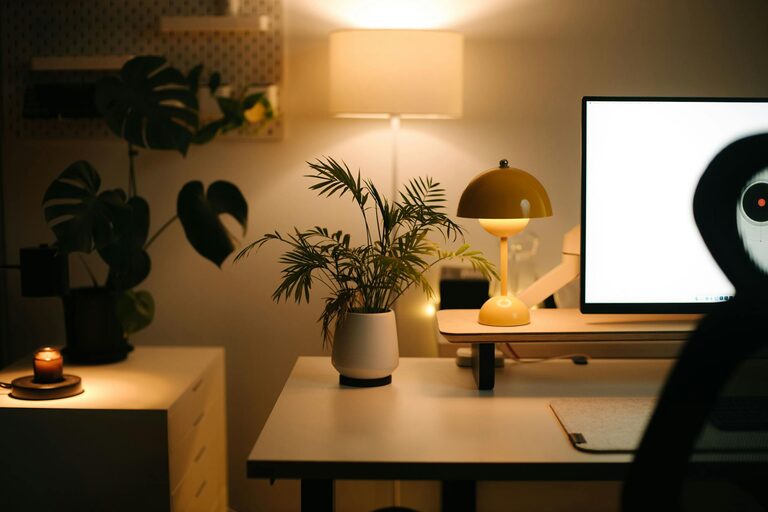

Creating a relaxing home workspace is essential for maintaining productivity and comfort, especially when more people are working remotely. A workspace that feels calm and organized not only helps you focus better but also reduces stress and boosts overall well-being. Whether you have a dedicated room or just a corner of your home, these tips will help you design a productive and soothing environment.
Why a Relaxing Workspace Matters
When your workspace is cluttered, uncomfortable, or distracting, it’s harder to concentrate. A well-designed area can improve your mood, encourage good work habits, and make your workday more enjoyable. Relaxation in your workspace doesn’t mean being lazy; it means creating a space where your mind can stay clear and your body can stay comfortable.
Choose the Right Location
Finding the best spot in your home for a workspace is the first step. Here’s what to consider:
Natural Light
Place your desk near a window if possible. Natural light can improve your mood and reduce eye strain. Avoid glare on your screen by positioning your desk so that light comes from the side.
Quiet and Private
Choose a space with minimal distractions. If your home is busy, try to find a quiet corner or close a door to separate work from home life.
Space to Move
Make sure there’s enough room for comfortable seating and the materials you need. Avoid cramped spaces that make you feel confined.
Invest in Comfortable Furniture
Your furniture choices directly affect your comfort and productivity.
Ergonomic Chair
A good chair supports your back and encourages proper posture. Look for adjustable height, lumbar support, and comfortable padding.
Desk Height
Your desk should allow your forearms to rest comfortably at about a 90-degree angle while typing. Adjustable desks or standing desk options are great for flexibility.
Add a Footrest or Cushions
If you find your feet don’t rest flat on the floor, a footrest can reduce strain. Cushions can also increase seating comfort.
Organize for Clarity and Efficiency
A cluttered desk leads to a cluttered mind. Keep your workspace tidy with these strategies:
Use Storage Solutions
Shelves, drawers, and desk organizers help keep papers and supplies in order. Label containers for easier access.
Limit Items on Your Desk
Keep only the essentials visible. A clean surface helps you focus better.
Digital Organization
Keep your computer desktop clean and back up files regularly. Use apps or tools to manage tasks and reduce paper clutter.
Personalize with Calming Elements
Adding a personal touch while keeping the environment relaxing is key.
Choose Soothing Colors
Colors like soft blues, greens, or neutrals promote calmness. Avoid overly bright or harsh colors.
Add Plants
Indoor plants improve air quality and add a touch of nature, which can be mentally refreshing.
Use Aromatherapy
A subtle diffuser with lavender or eucalyptus can create a relaxing atmosphere.
Manage Lighting Thoughtfully
Lighting affects both mood and productivity.
Combine Natural and Artificial Light
Use task lighting like desk lamps to brighten your work area during darker hours.
Adjust Brightness
Avoid lights that are too bright or flickering to reduce eye strain.
Warm Light Tones
Warm white bulbs tend to be gentler on your eyes and create a cozy ambiance.
Establish Boundaries and Routine
Creating a relaxing workspace also involves setting boundaries.
Set Work Hours
Define specific work times to maintain balance between work and rest.
Take Breaks
Schedule short breaks to stretch and move around to prevent fatigue.
Keep Work Separate
When the workday ends, leave your workspace to mentally switch off.
Incorporate Technology Wisely
Technology should support, not distract.
Use Noise-Canceling Headphones
They help block background noise for better concentration.
Avoid Excess Devices
Limit devices at your desk to essentials to reduce distractions.
Manage Notifications
Turn off non-essential notifications to maintain focus.
Keep Your Workspace Fresh and Inviting
Finally, maintain your workspace so it stays inviting over time.
Regular Cleaning
Dust and clean your workspace regularly to create a pleasant environment.
Refresh Decor Periodically
Change artwork or add new accessories to keep your space inspiring.
Reflect and Adjust
Periodically assess what’s working and make changes to improve comfort and productivity.
—
Creating a relaxing home workspace is about thoughtful choices that support both your comfort and productivity. By focusing on ergonomics, organization, lighting, and personal touches, you can build a space that helps you work efficiently while feeling calm and content. Try these tips and enjoy the benefits of a well-designed home office!